After our night at Pimba, mid-morning found us back on the Stuart Highway and heading north.
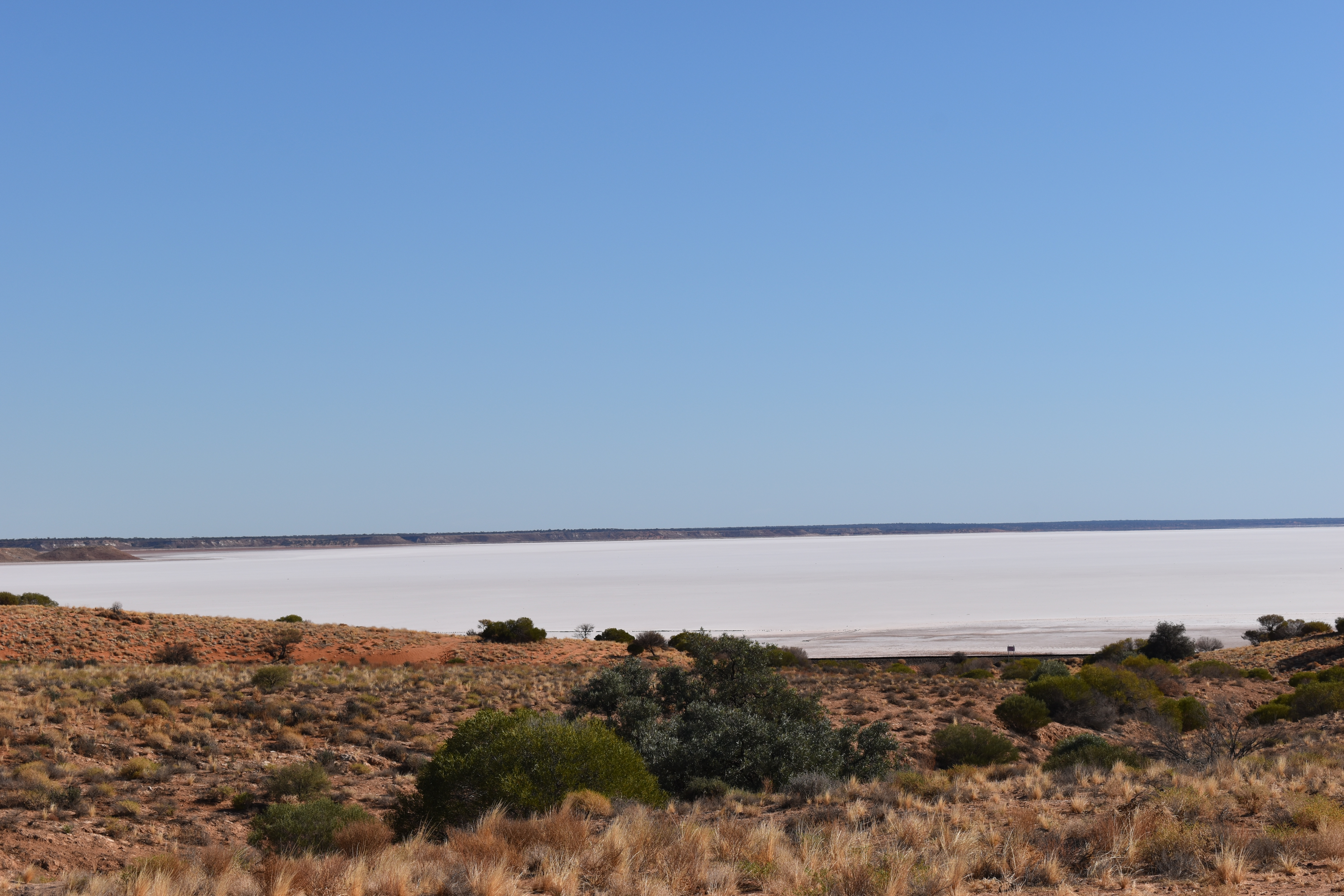
We found the countryside interesting and enjoyed magnificent views over the salt lakes of Island Lagoon and Lake Hart.
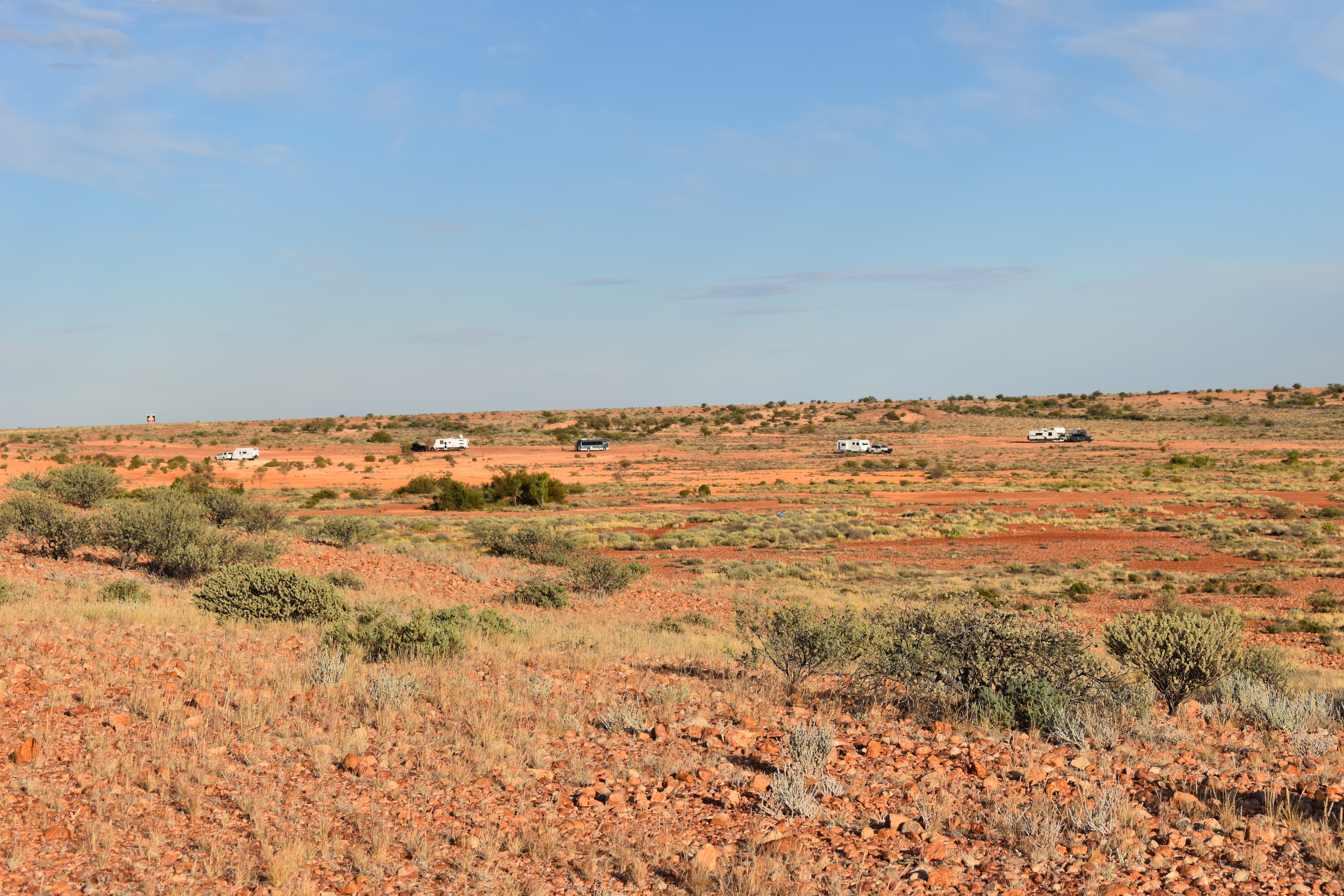
We found a great free camp just outside Coober Pedy. I went for a good walk and discovered 5 abandoned diggings with 4 of the 5 shafts still intact. I found some opal potch but no proper opal.
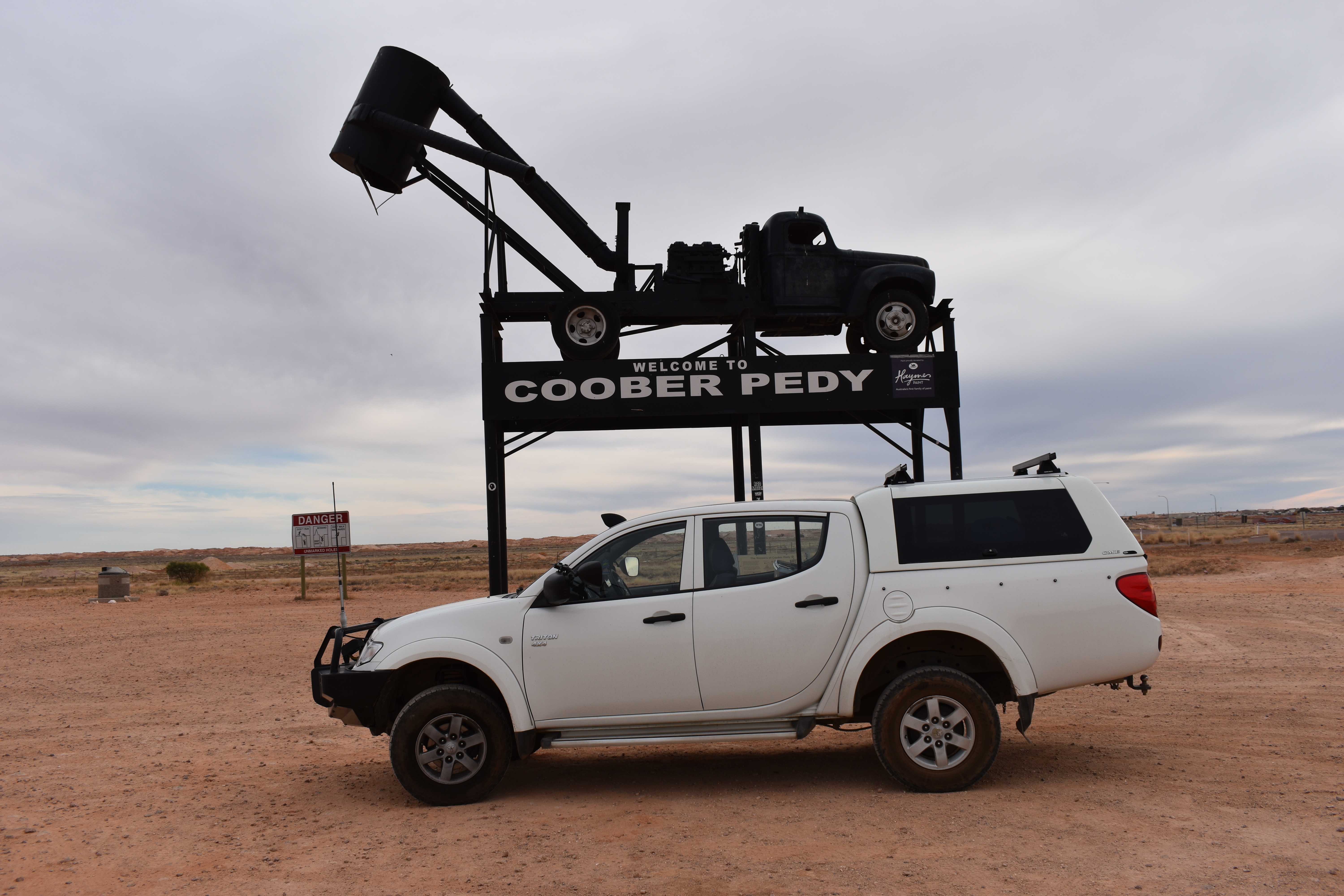
The next day we travelled into Coober Pedy for a couple of days. Coober Pedy are Aboriginal words for “white man in hole.” Coober Pedy lies on the edge of the Stuart Ranges on beds of sand and siltstone topped with a stone, treeless desert. The first opal was discovered by a 14-year-old boy in 1915. Early miners dug their shafts by hand with basic tools: pick, shovel, knife, pliers, a hand windlass, and bucket. They went down about 3 metres to mine the opal. From the early 1960’s opal mining became mechanized, allowing mining 20-30 metres deep. Coober Pedy is the Opal Capital of the World producing more than 75%of the world’s commercial opal.
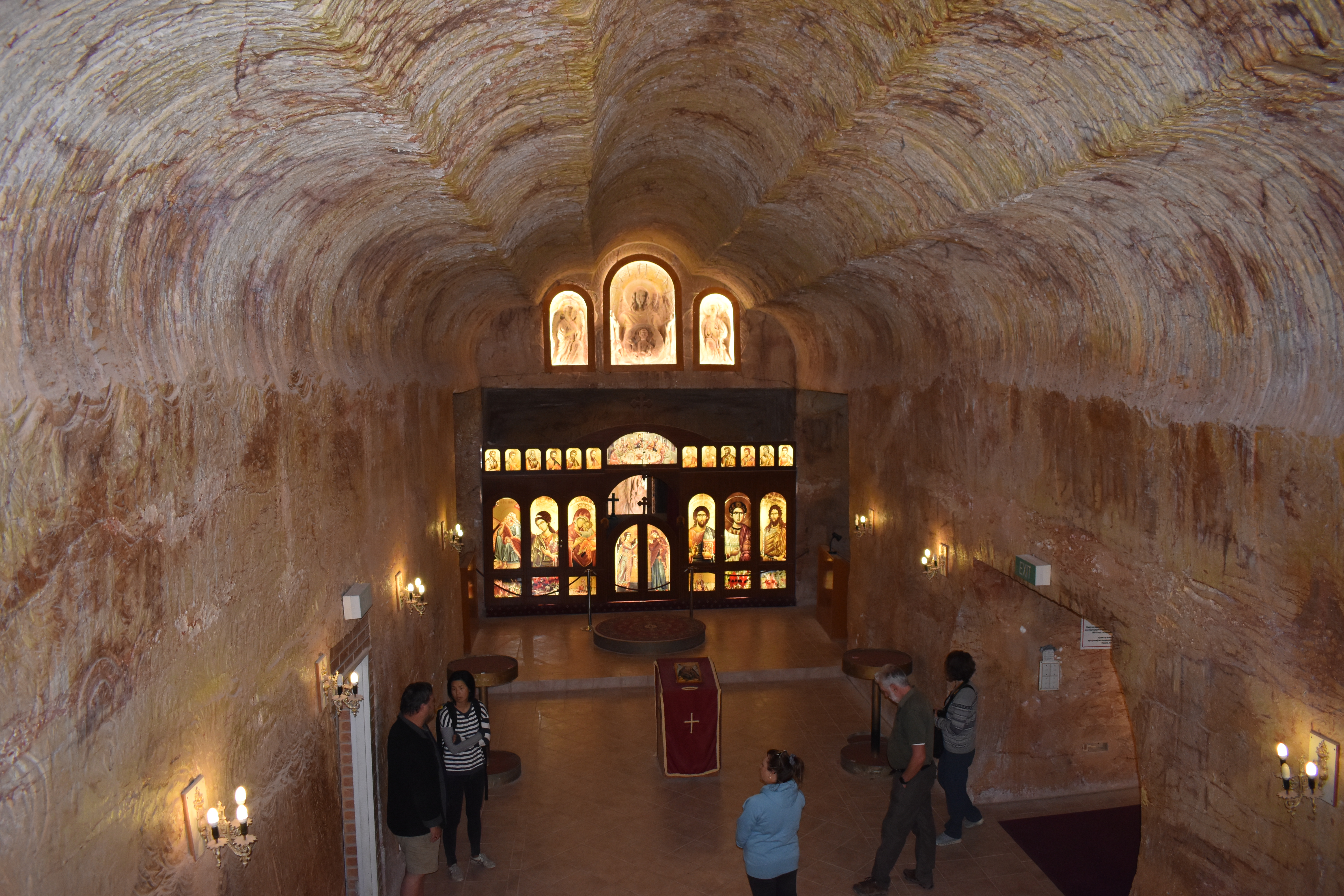
It is estimated that more than 50%of the population live underground. Most dugout homes are excavated into the hillsides rather than dug from shafts. It is believed returning soldiers from WW1 took up the 1915 idea of living underground. They quickly discovered the advantages of living underground to escape the heat of summer and winters cool nights. The temperature in the underground rooms averages 19-24 degrees.
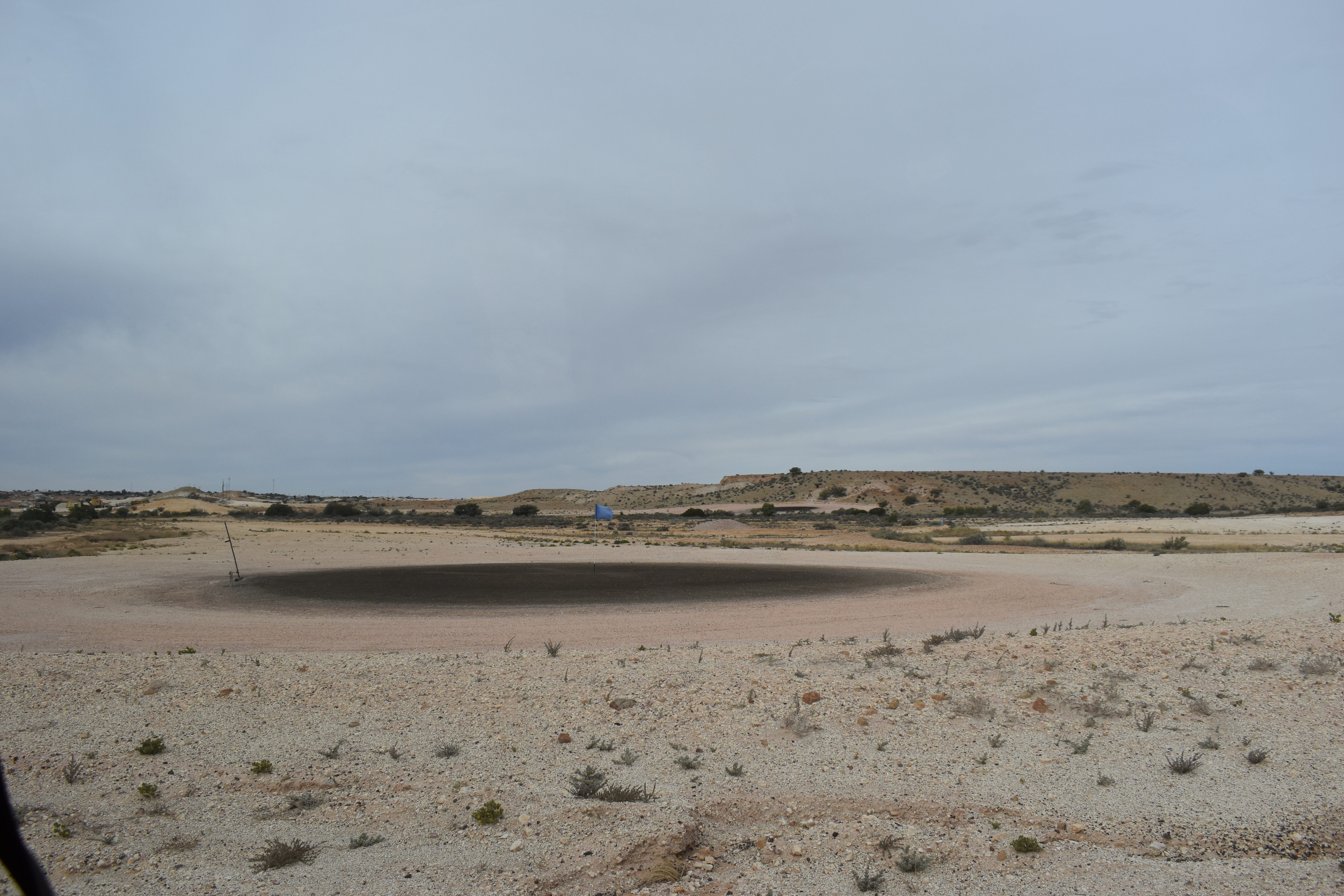
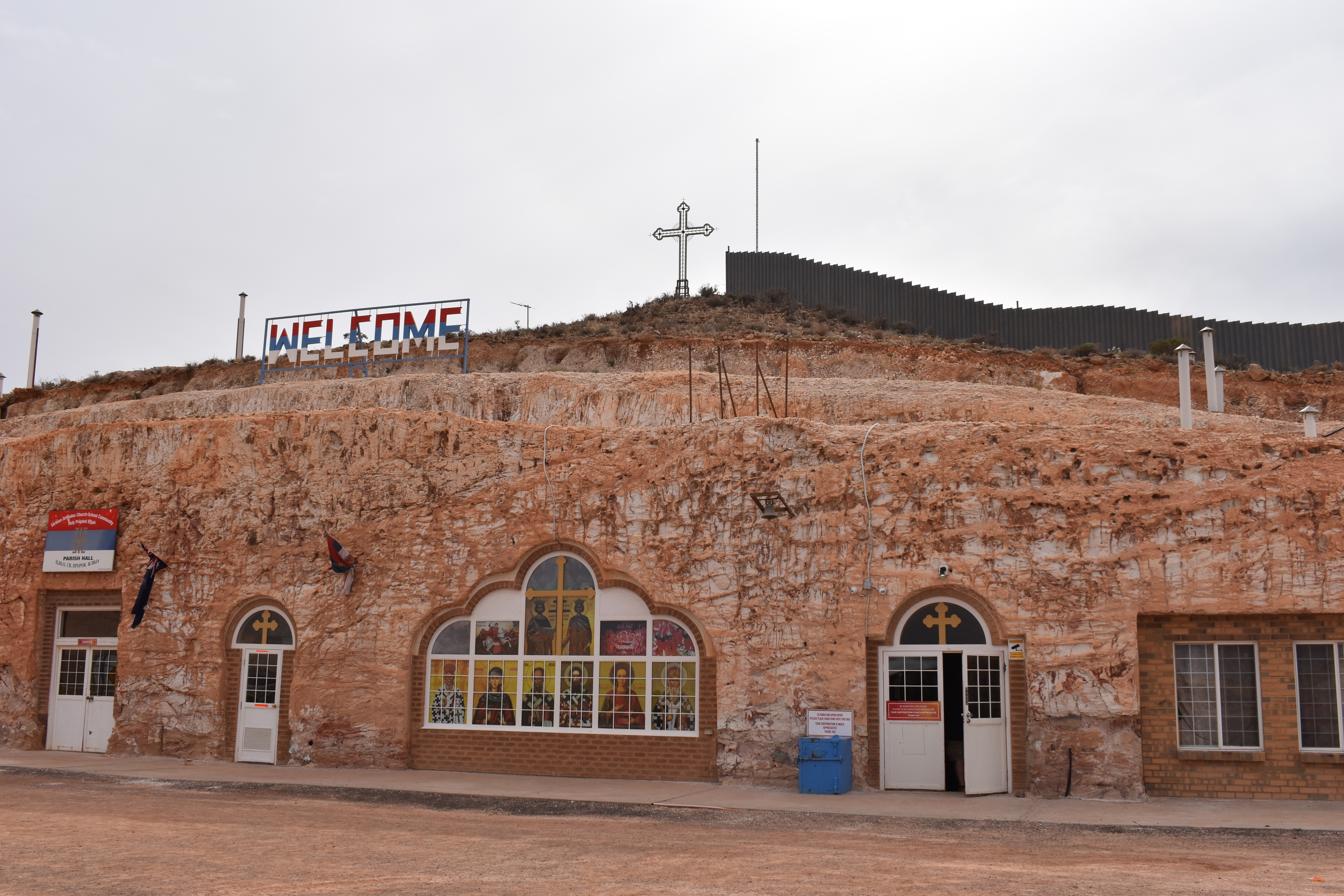
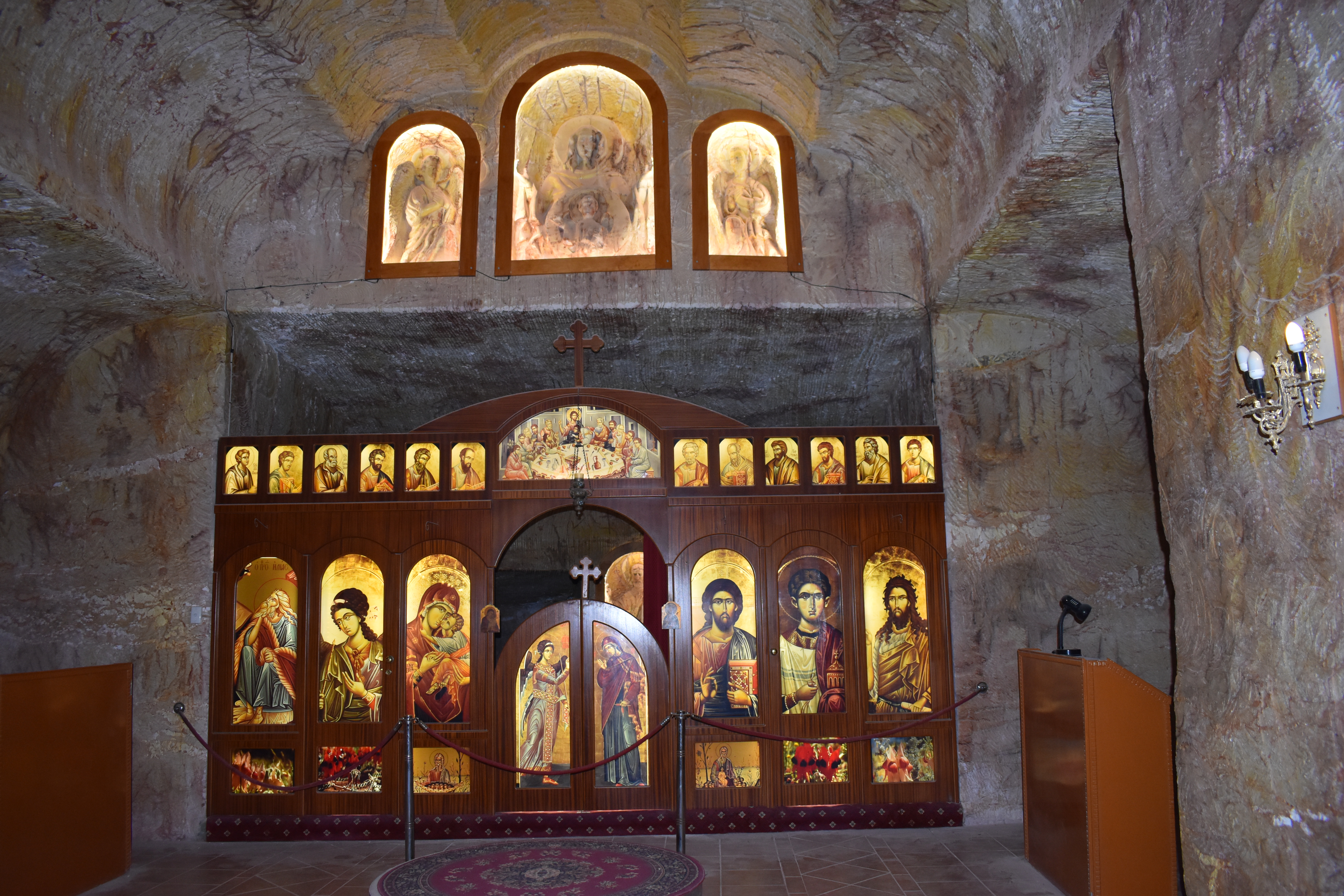
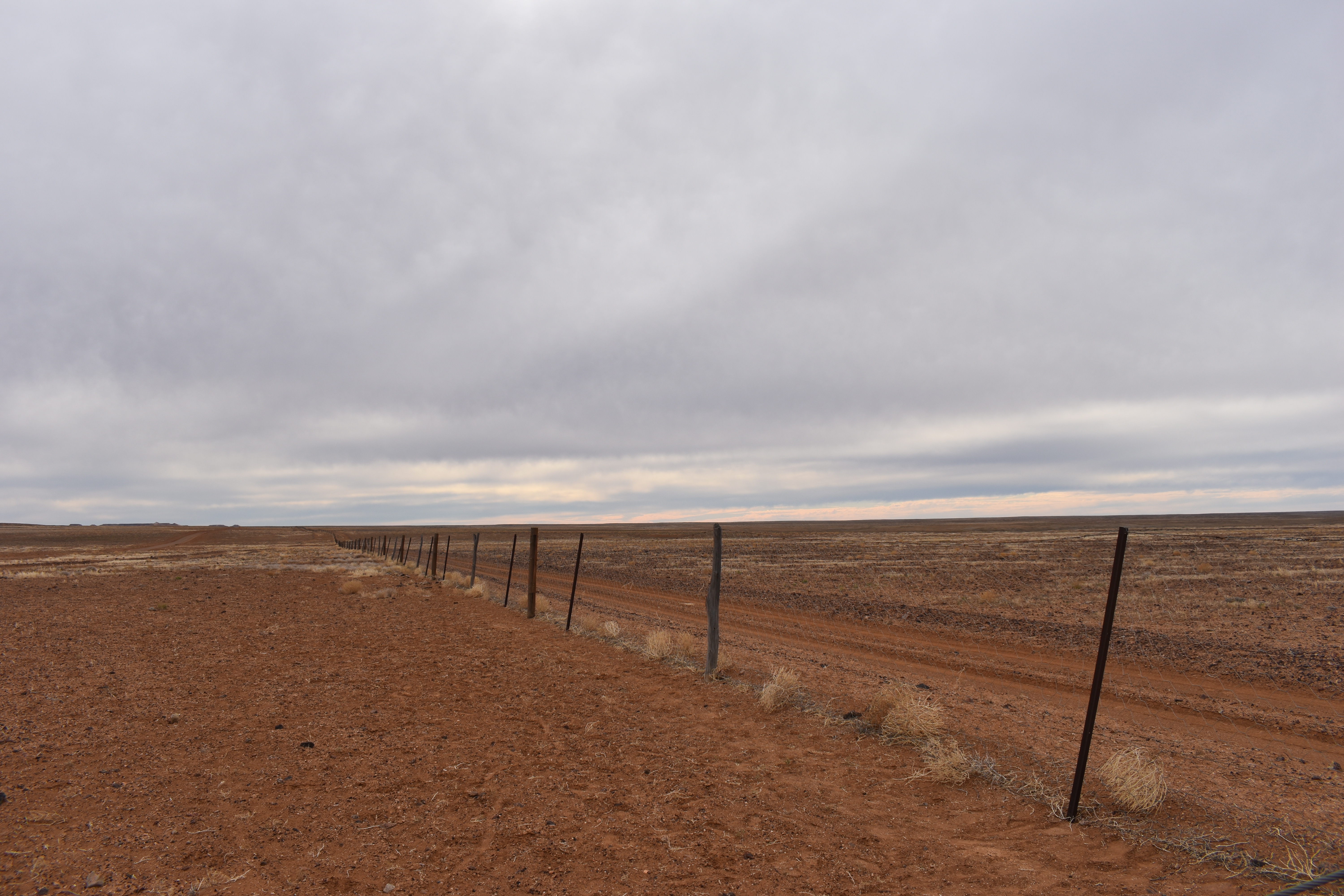
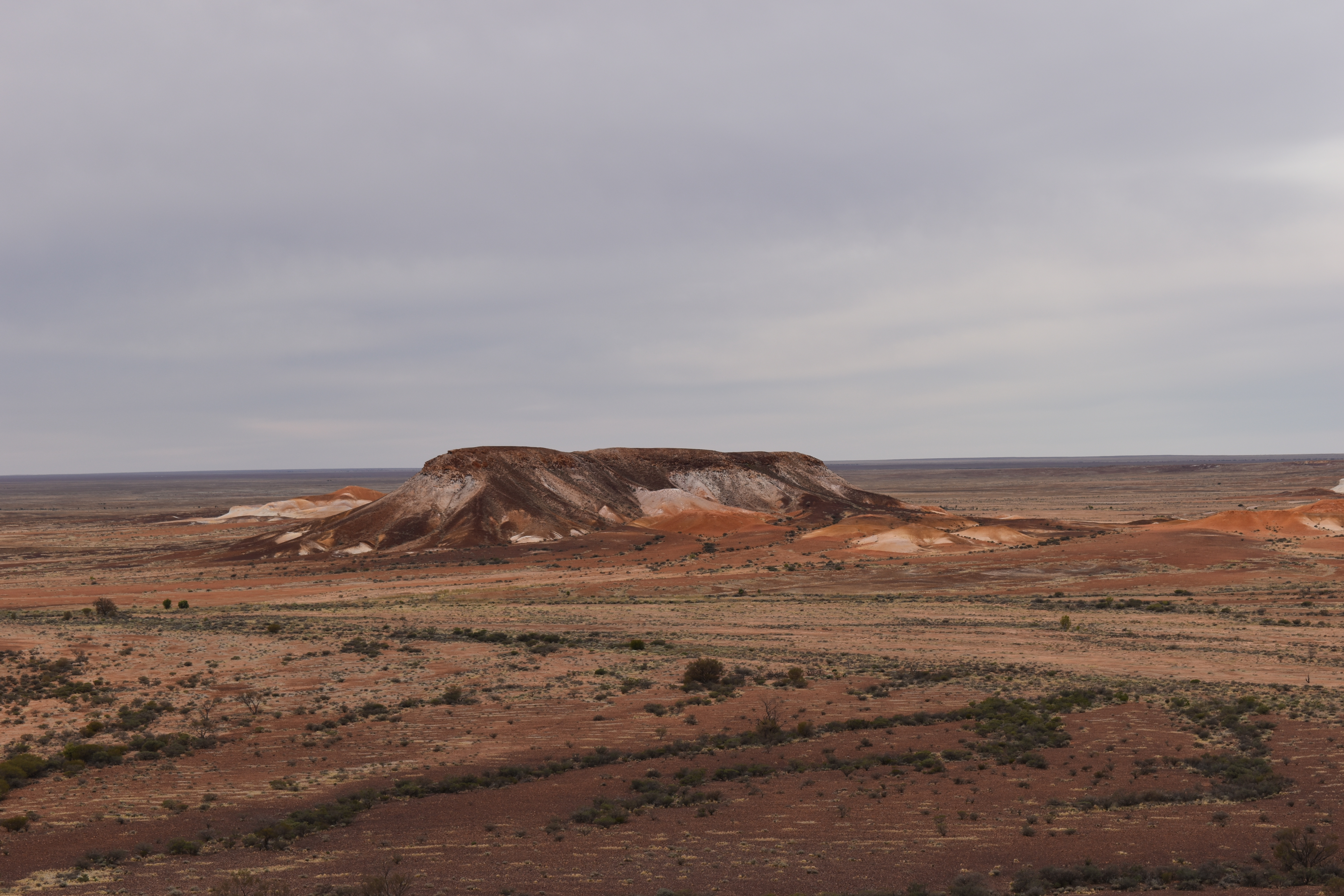
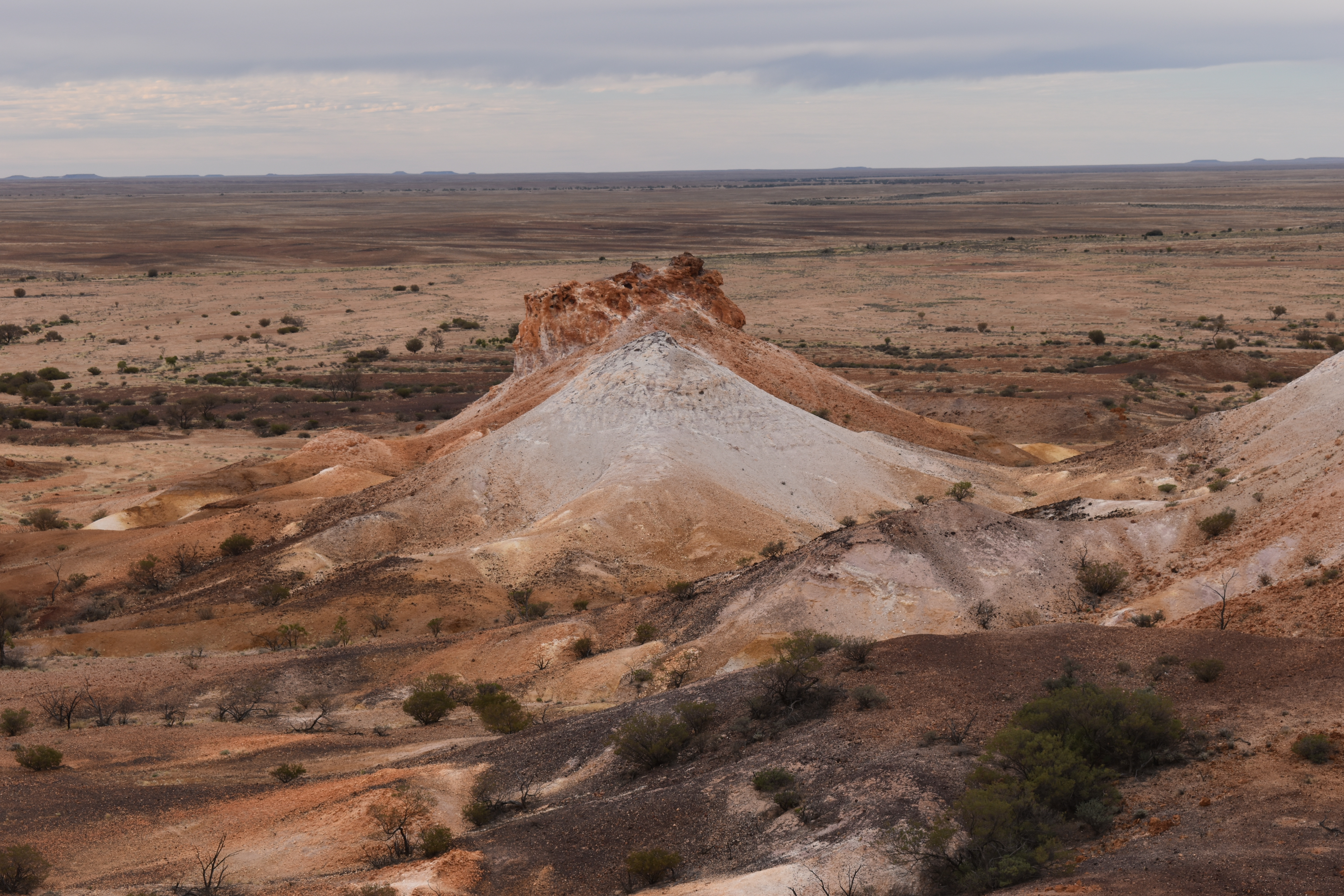
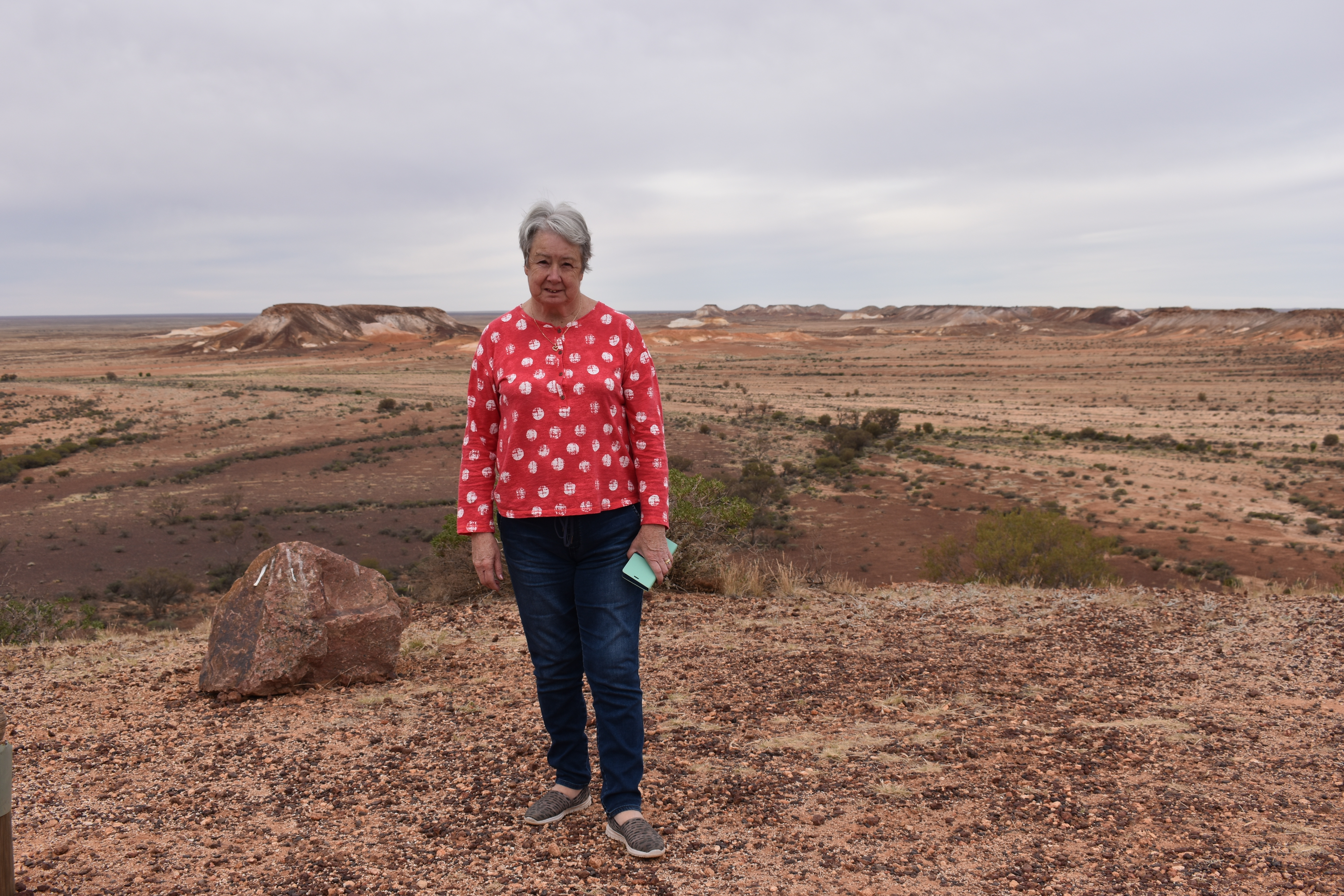
We toured the town observing many quirky structures and visited an underground mine and showroom and a Serbian Church. We also visited the Breakaways to take in the vista and enjoy a champagne. The golf course does not have a blade of grass on it. We also saw the “Dog Fence “which at over 5,300 kilometres (about the width of the United States) is the longest manmade structure in the world! It was built to keep the dingoes out of sheep grazing country and spans 3 Australian states.
 Chezza & Stephen's Blog