We have had to make some changes to our planned travel. Upon leaving Coober Pedy we had planned to travel up the Stuart Highway to Erldunda Roadhouse then turn onto the Lasseter Highway and visit Yulara and Kings Canyon.
Unfortunately, the regions accommodation is all booked out through to August. These popular destinations have not been able to recruit sufficient workers because of the pandemic. Our international borders are still closed and will be for some time. These areas rely a lot on international backpackers and tourist work visa workers for their staffing.
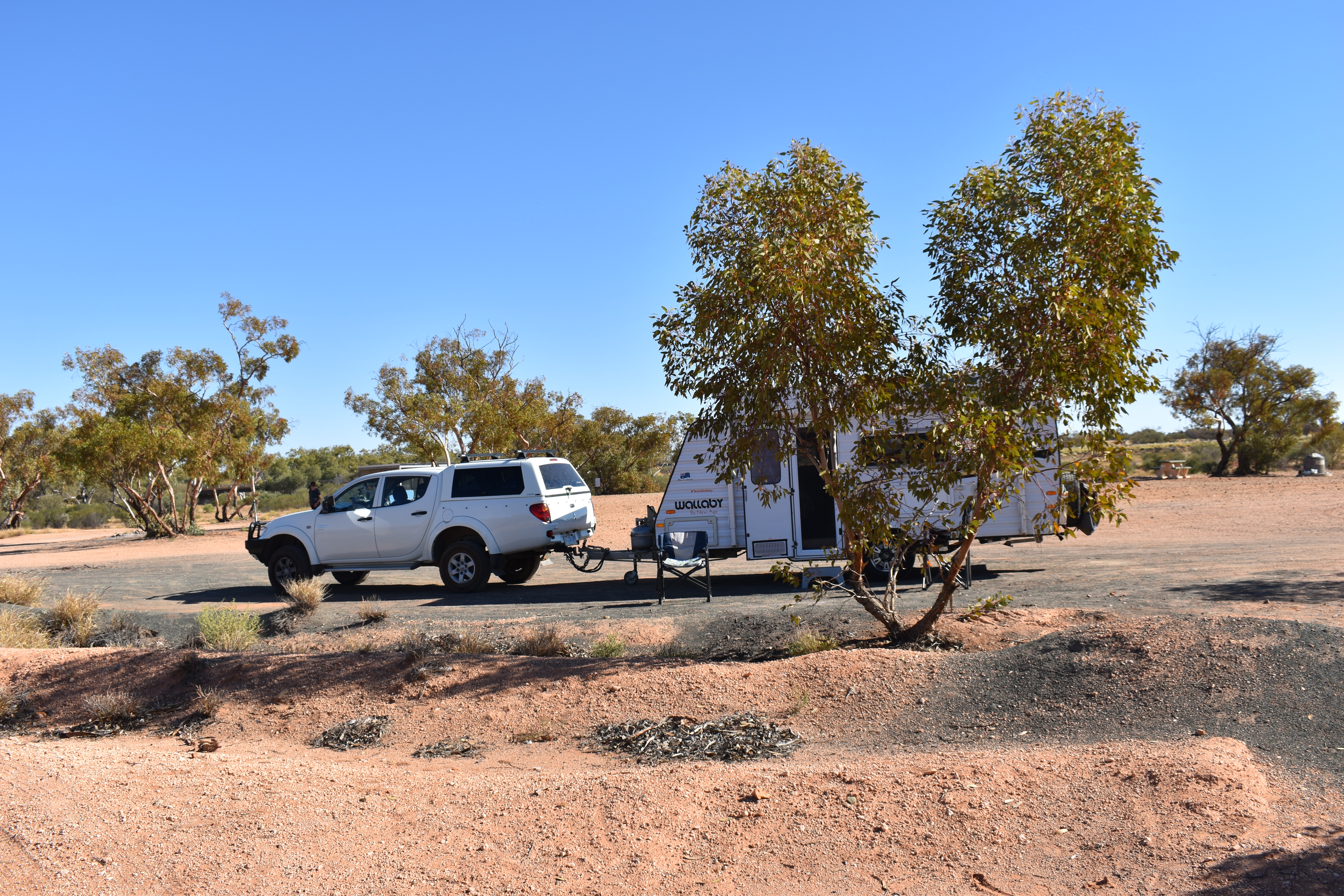
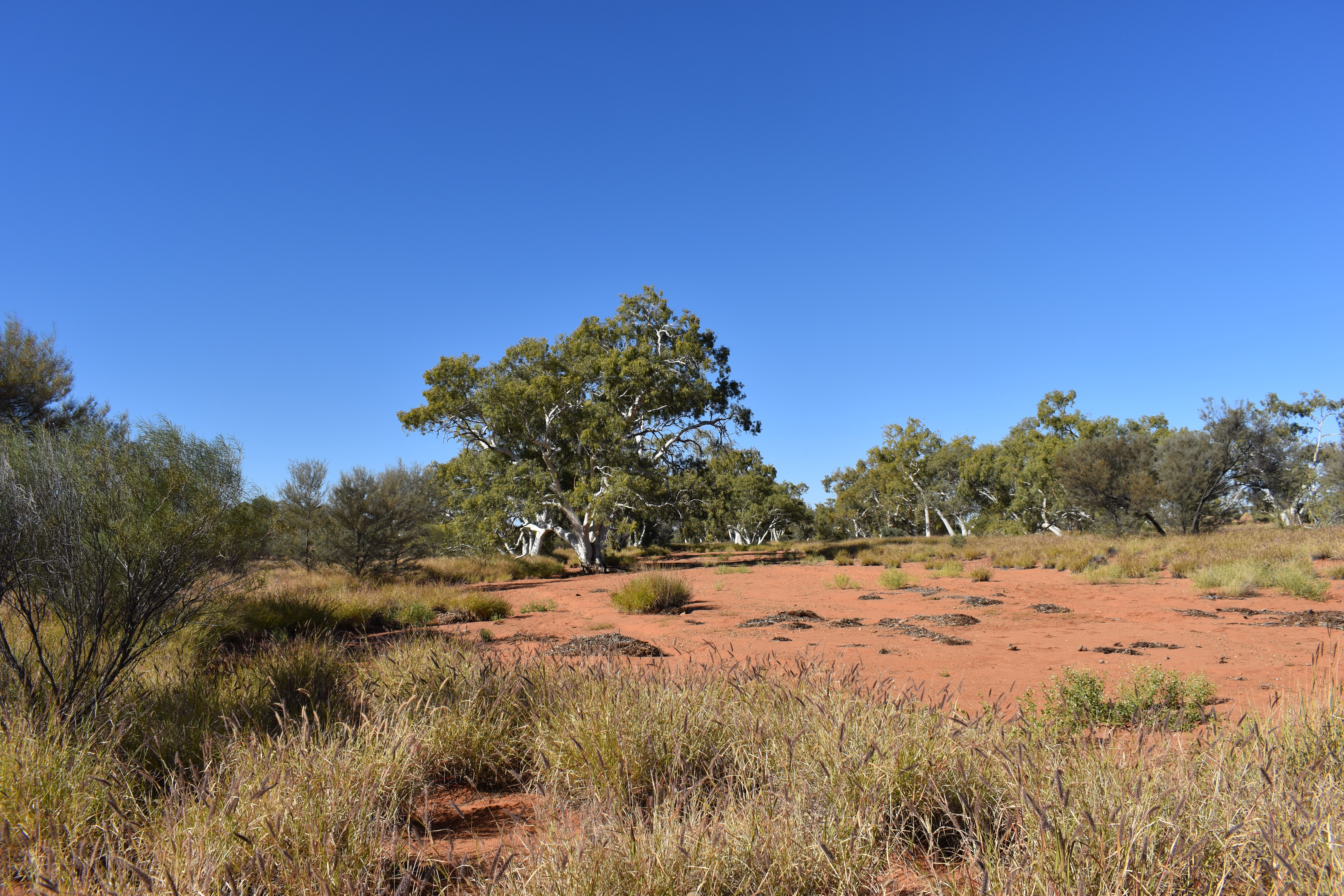
After leaving Coober Pedy we travelled up the highway through Glendambo and Marla for 310 kilometres and free camped at Agnes Creek. Agnes Creek is a gravel area a hundred metres or so off the highway.
The next day we entered the Northern Territory. We have had to have permits to enter Victoria, South Australia and Northern Territory and have received Covid 19 updates and advice via our phones. We have also installed each state app on our phone as we must check in at every place we go.
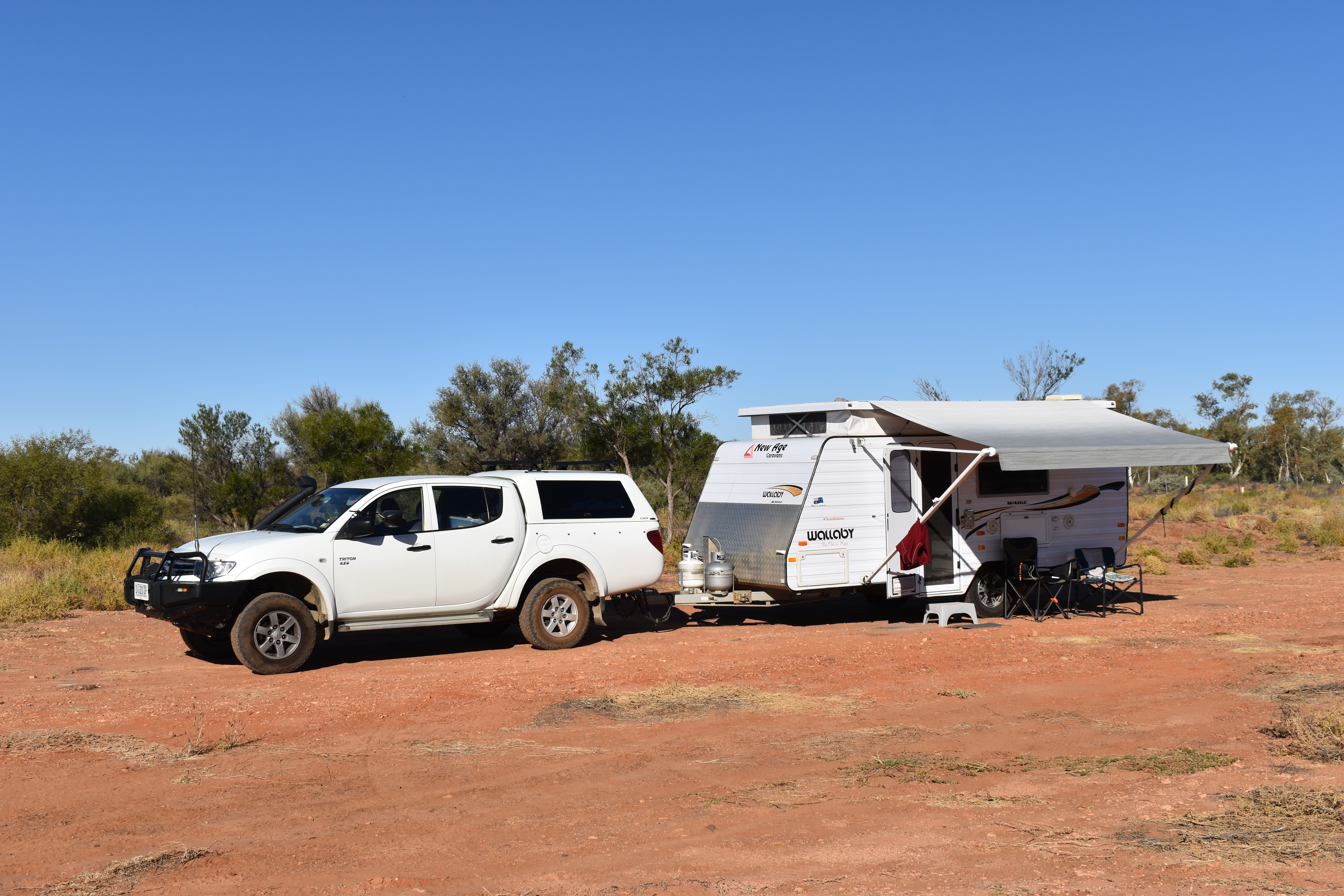
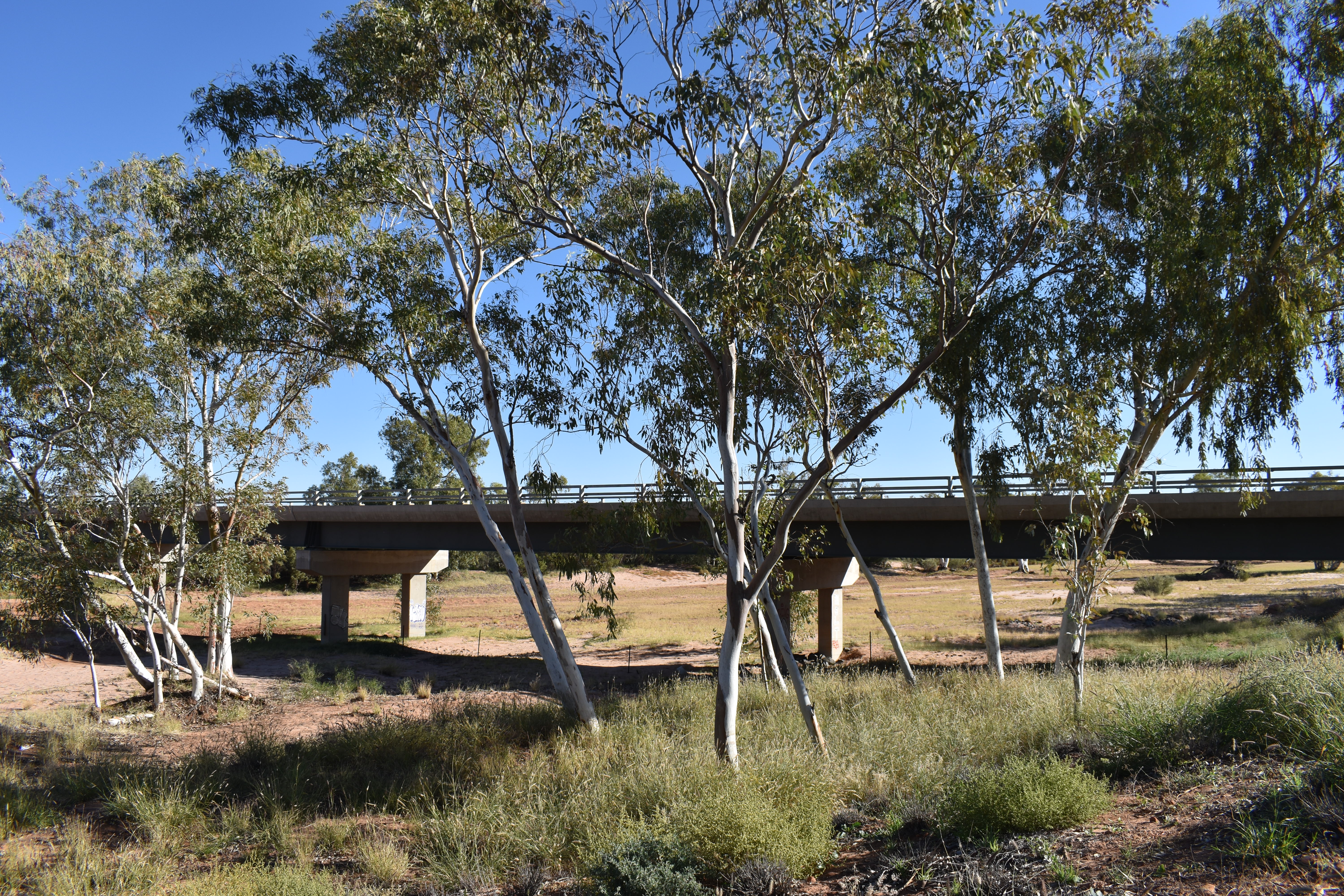
We free camped at the Finke River Rest Area. The Finke River is frequently cited as the oldest river in the world. Its age has been deduced from observation and analysis of various factors in the geology of the area. In places such as the James Range, the Finke flows through deeply incised meanders. Because meanders only form on flat plains, the river must have formed before the ranges were pushed up; this happened between 400 and 300 million years ago. The Finke River was named by the explorer, John McDouall Stuart in 1860 after an Adelaide man, William Finke, who was one of the promoters of his expedition.
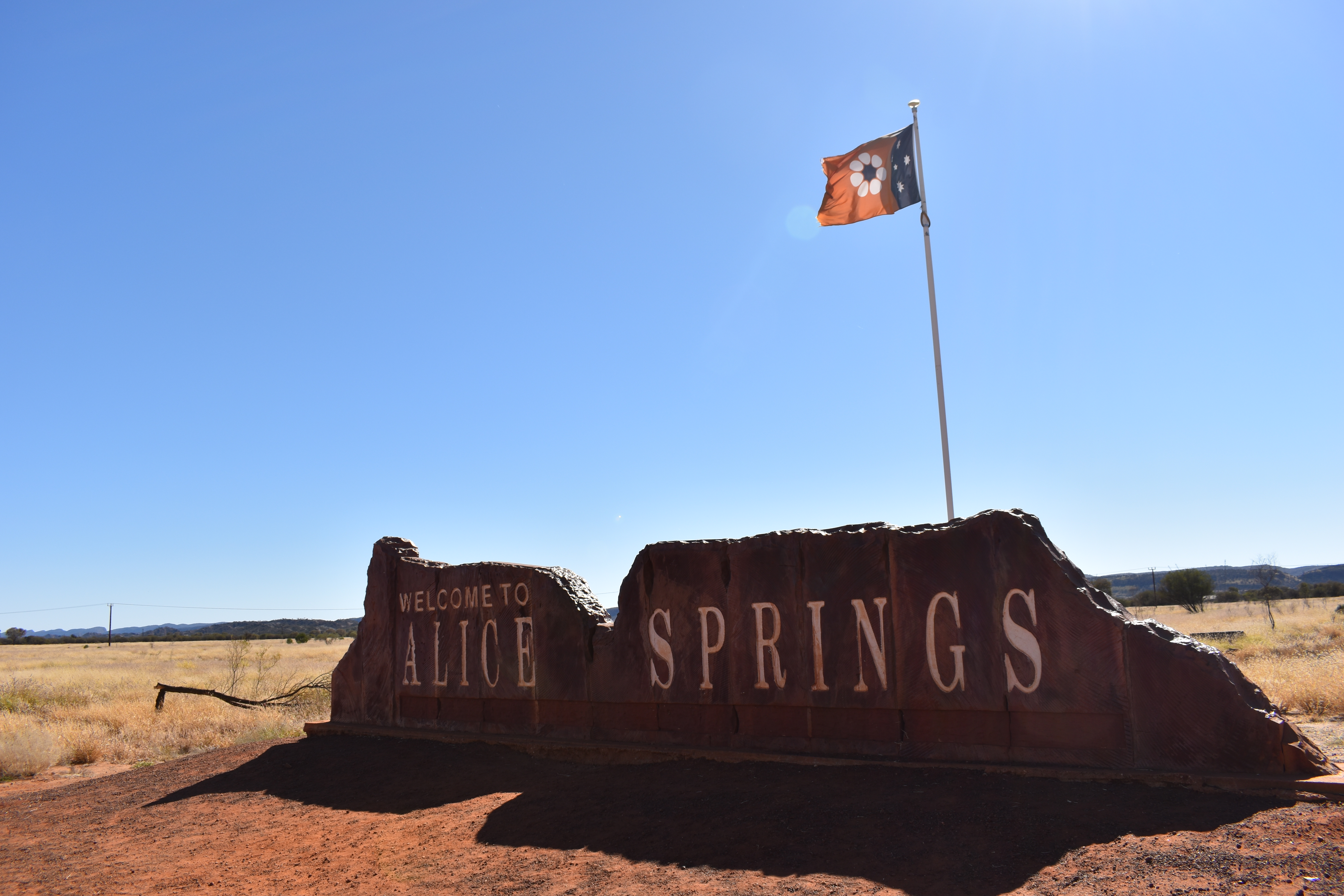
The next day we drove into Alice Springs. In 1861–62, John McDouall Stuart led an expedition through Central Australia, to the west of what later became Alice Springs, thereby establishing a route from the south of the continent to the north.
A white settlement named after Stuart was started ten years later with the construction of a repeater station on the Australian Overland Telegraph Line (OTL), which linked Adelaide to Darwin and Great Britain. The OTL was completed in 1872. It traced Stuart’s route and opened the interior for permanent settlement. The Alice Springs Telegraph Station was sited near what was thought to be a permanent waterhole in the normally dry Todd River, named Alice Springs by W.W. Mills after the wife of the Superintendent of Telegraphs and Postmaster General of South Australia, Sir Charles Todd, who was the driving force for constructing the OTL. The nearby settlement of Stuart was renamed as Alice Springs on 31 August 1933. The Todd River and its tributary the Charles River, which meet near the telegraph station, were named after Sir Charles.
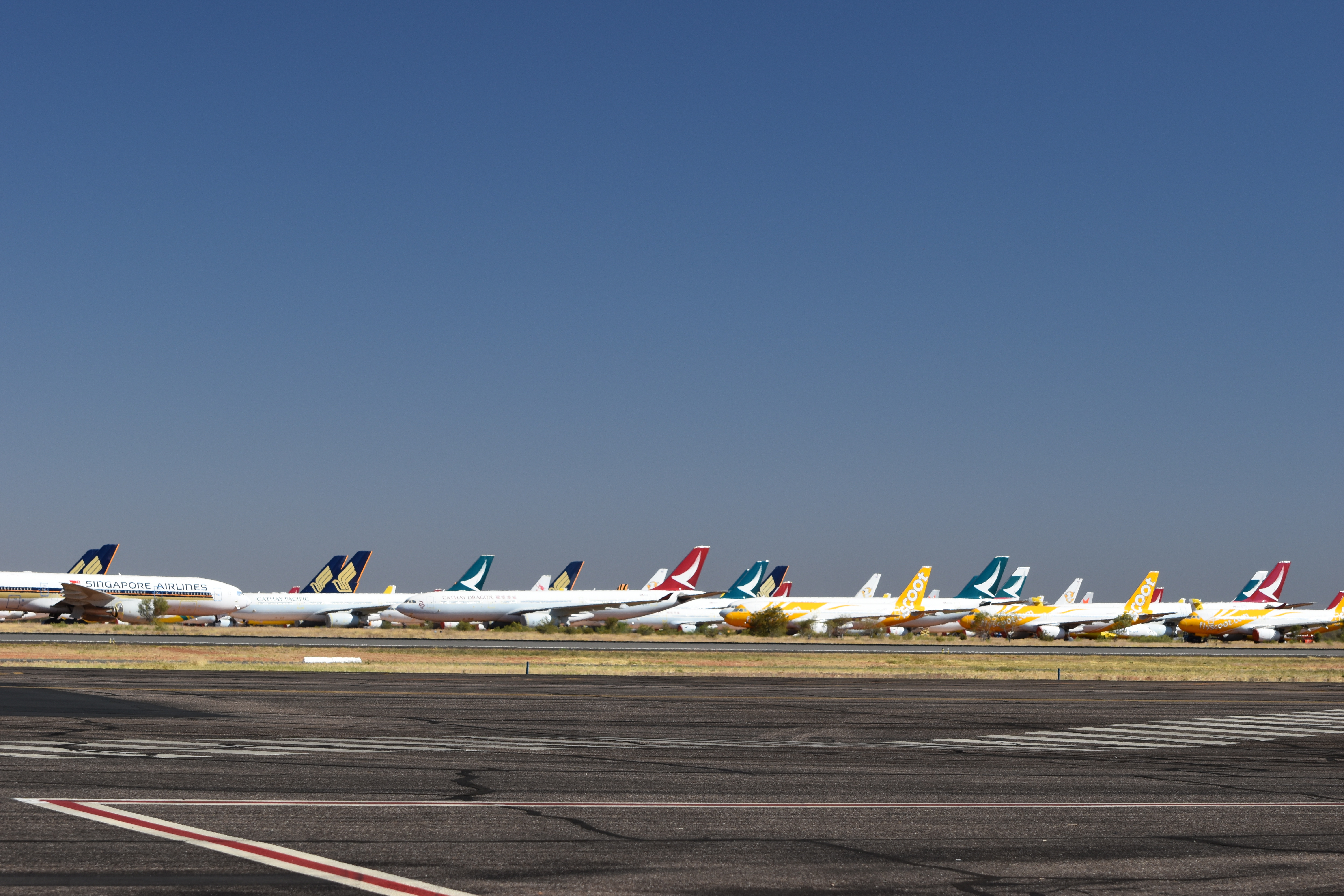
We are spending a few days in “the Alice”. We had a look at the airport because there are an incredible number of aircraft just parked there literally in the middle of Australia all because our borders are closed because of the pandemic.

https://wordpress.com/post/chezzastravels.com/1738
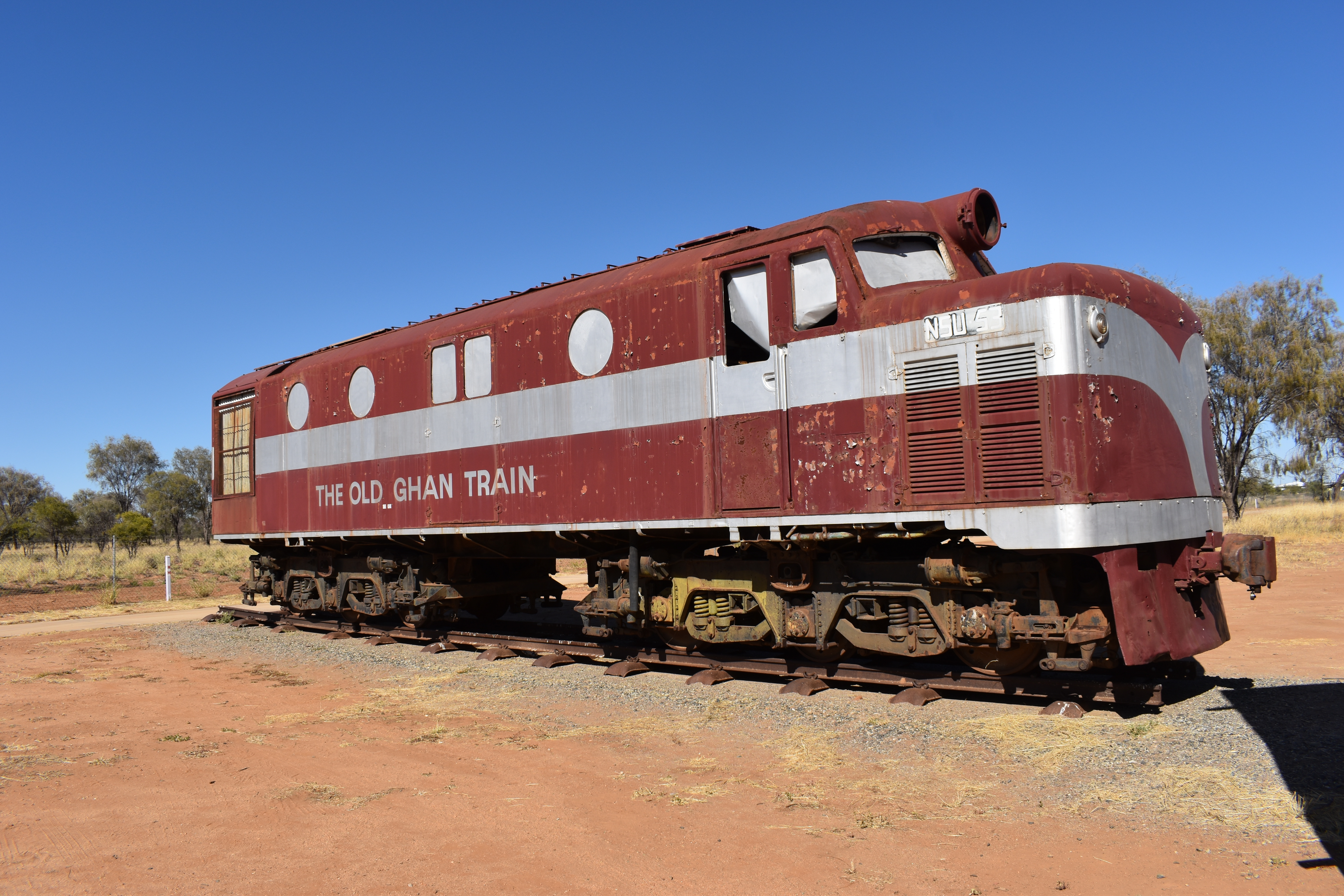
We were fortunate to see The Ghan come into town. The Ghan is an Australian experiential tourist passenger train that travels between the cities of Adelaide, Alice Springs and Darwin. Its scheduled travelling time, including extended stops for passengers to do off-train tours, is 53 hours 15 minutes to travel the 2,979 kilometres .The Ghan has been described as one of the world’s great passenger trains.
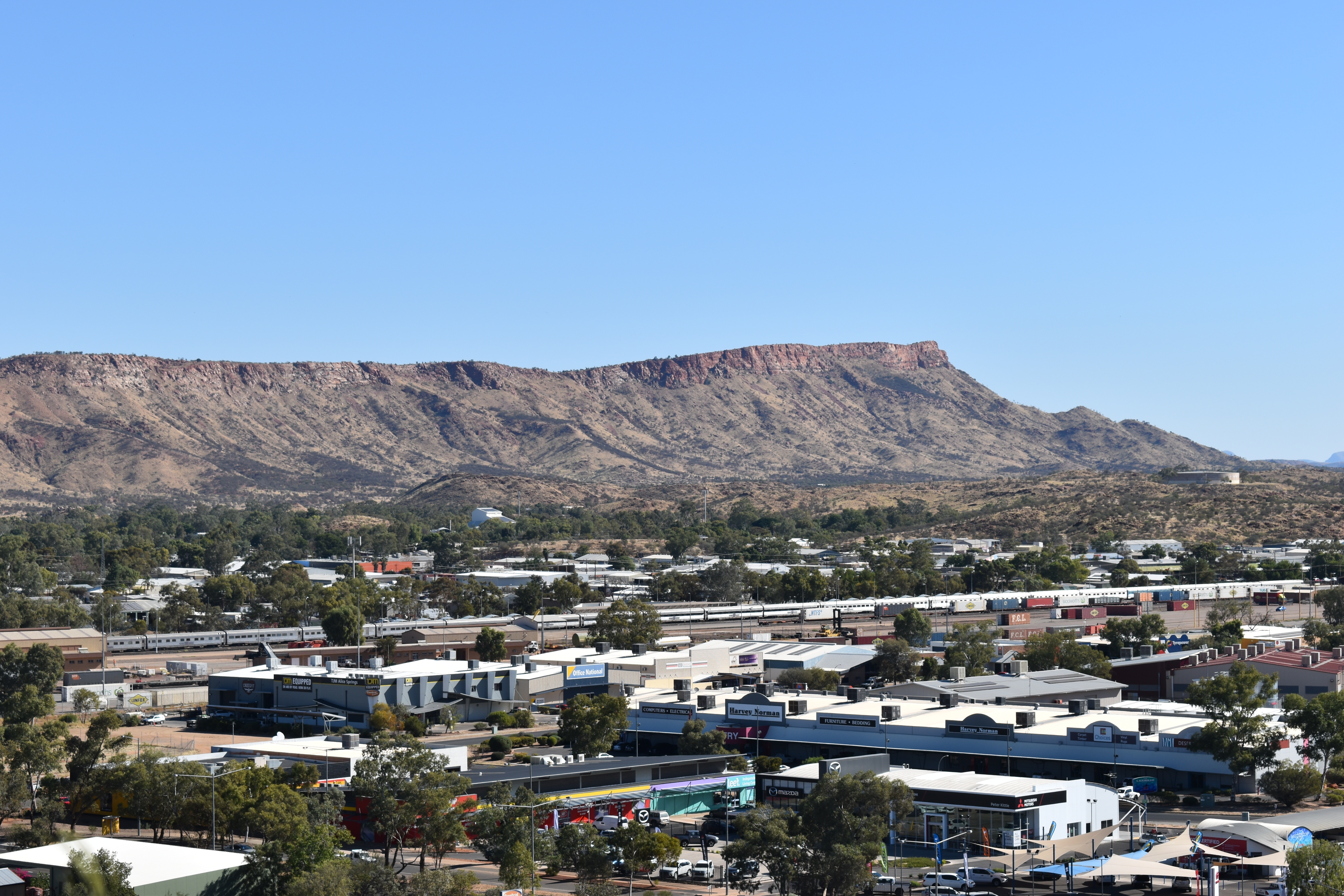
We have also visited Anzac Hill Lookout to see the war monument and take in the view of Alice.
 Chezza & Stephen's Blog
Great to read your account. I’m trekking from Telegraph Station to Mount Sonder in August and one of our camps is Finke River. Stay safe.
LikeLiked by 1 person
Meredith, lots of people doing the same. Mount Sonder looks awesome. My brother and his partner climbed it 3 years ago. Finke River campsite looked pretty good as well
LikeLike
Love reading your blogs. Drive safe, keep well and have heaps of fun xx
LikeLike
Thanks Jan. We are enjoying being on the road again. Hope you are all good!
LikeLike